
Build an approval‑ready credit profile
Understand what’s driving your credit decisions, identify items that may be unfair or inaccurate, and take a structured next step toward stronger approvals and better terms.
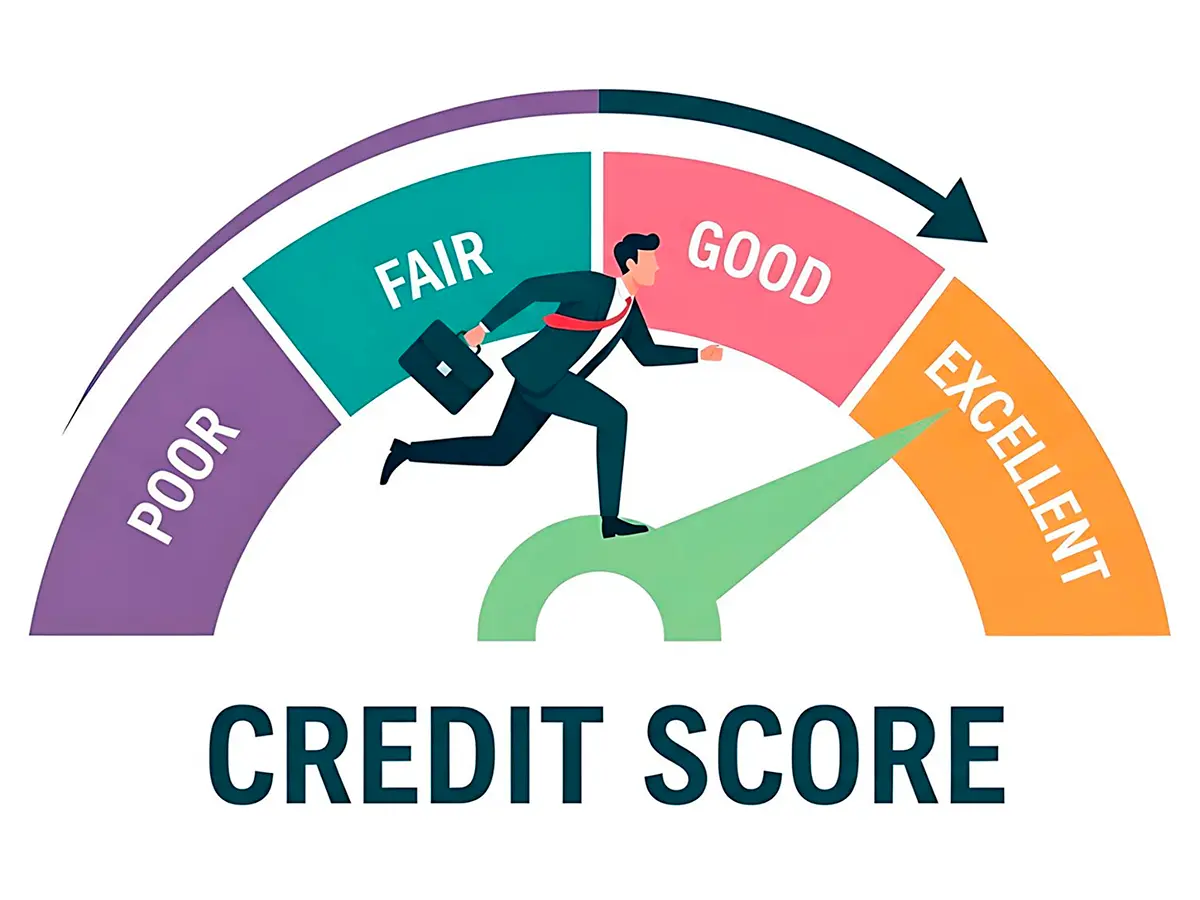
Built around established U.S. credit reporting practices and dispute procedures under the Fair Credit Reporting Act (FCRA). No unrealistic promises—just clarity, documentation, and structured credit improvement.
Unlock more options
Choose the outcome you care about. We’ll outline what improves it—and what to watch for—so you can move forward with confidence.
Your path to stronger credit
A stronger credit profile can mean better approval odds, improved loan terms, and more financial flexibility. Get a clear, no-fluff overview of what credit improvement can help you achieve — then take the next step when you're ready.
Credit decisions in the U.S. are typically influenced by payment history, utilization ratios, account age, recent inquiries, and the accuracy of reporting across major credit bureaus.
Even small inconsistencies can affect lending algorithms. A structured credit improvement approach focuses on verified data, responsible usage patterns, and consistent financial behavior.
*Results vary. This page does not guarantee outcomes.
How it works
A straightforward workflow used by reputable credit‑support programs: review, challenge what’s questionable, and build stronger habits while updates are processed.

Review your starting point
Clarify your goal and look at what’s currently affecting approvals and terms.

Identify what can be challenged
See what information is typically needed, what to expect next, and how the workflow usually looks.

Move forward
Continue to explore available options and take the next step toward better credit outcomes.
how to clean credit with steady, proven steps
Credit can get messy slowly, then feel urgent all at once. Cleaning it up isn't magic; it's a sequence of reliable actions. Some folks swear by quick fixes, yet a careful, documented path usually wins because it survives scrutiny and supports long-term stability.
Know your starting point
Pull full reports from each bureau and read them line by line. Verify names, addresses, account ages, balances, limits, and payment histories. Circle anything that looks off, and note dates - timelines matter.
- Gather reports from the three major bureaus.
- Create a simple list: creditor, balance, limit, status, last activity.
- Highlight late payments, collections, and charge-offs with dates and amounts.
- Calculate utilization: total balances divided by total limits.
Fix what's inaccurate
Dispute clear errors with supporting documents - statements, letters, payment confirmations. Explain the issue briefly and request correction or deletion. Expect 30 - 45 days for most investigations. Some prefer online disputes; a mailed letter can feel slow, but it provides a dependable paper trail. Keep copies of everything.
Address valid debts strategically
Not every negative item can be erased, but you can reduce its sting. Prioritize accounts that affect scores most: high utilization cards and recent delinquencies. Pay on time from now on; a steady streak rebuilds trust.
- Lower revolving balances under 30% utilization - under 10% is stronger.
- Negotiate with collectors respectfully. If you reach a settlement, get all terms in writing first.
- "Pay for delete" exists but isn't guaranteed and may not align with every policy. If attempted, be transparent and document agreements.
- For past-due accounts with original creditors, ask about hardship plans or re-aging after consecutive on-time payments.
Build positive data
Scores rise faster when new, clean history replaces old mistakes. Small, predictable actions compound.
- Set autopay for at least the minimum; add a calendar reminder for the full amount.
- Use a secured card or credit-builder loan and pay early.
- Ask for a limit increase without a hard pull to lower utilization.
- Consider becoming an authorized user on a well-managed, low-utilization, long-aged account you genuinely trust.
A quiet real-world moment
On a rainy Thursday, Maya called her utility provider about a 30-day late from last year. She'd paid perfectly for 12 months since. With a calm timeline and copies of receipts, she requested a goodwill adjustment. The rep reviewed her history and removed the late - one precise fix, verified in her next report.
Monitor and protect
Set alerts for due dates, balance thresholds, and new inquiries. Consider a credit freeze if you're not seeking new credit soon. Review reports quarterly to catch small issues before they grow.
- Schedule a monthly 15-minute "credit audit."
- Dispute old addresses you don't recognize to reduce mixed-file risk.
- Build a modest emergency fund; it protects on-time payments during surprises.
Patience, support, and steady gains
Many improvements show within 3 - 6 months; deeper healing continues as negatives age, typically up to seven years. If the picture feels tangled, a reputable non-profit credit counselor can help map options - some prefer going it alone, yet guided support can add structure and calm. Keep actions simple, track everything, and let time do its part. Reliability today becomes resilience tomorrow, and that's how a cleaned credit file stays clean.
Be sure to check your reports before you apply for credit, a loan, insurance, or a job. If you find mistakes in your credit report, contact the credit bureaus ...
It's a good idea to seasonally "deep clean" your credit history. Like your home, clean everything in your report that's dirty, broken, and polish what you have.
More tips on how to fix your FICO Score & maintain good credit: - If you have been managing credit for a short time, don't open a lot of new accounts too rapidly ...
Frequently asked questions
A clear next step — without the guesswork
See what’s impacting approvals and what may deserve a closer look.
Understand how disputes are structured and what documentation matters.
Improve utilization, consistency, and long-term credit stability.
See what improving your credit could change
Take a structured next step based on your current profile — and decide with clarity.